All About Waterproofing: Understanding Its Importance and Benefits for Your Home
Waterproofing is an important aspect of home maintenance that many house owners overlook. It offers to shield structures from the harmful results of water infiltration, which can lead to considerable issues over time. Understanding the different methods and their significance can help house owners make notified decisions. As the conversation unfolds, the genuine question stays: exactly how can efficient waterproofing transform a home's resilience versus moisture-related threats?
What Is Waterproofing and Just How Does It Function?
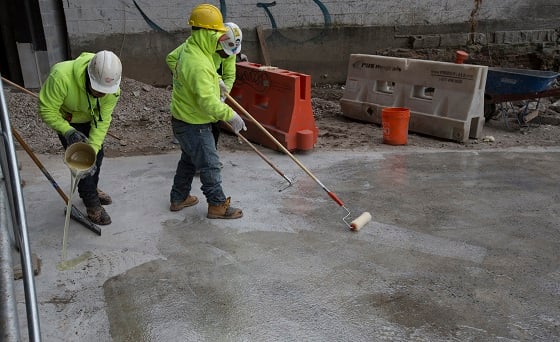
Waterproofing is an essential procedure created to secure buildings and frameworks from water infiltration. It includes the application of various materials and strategies that develop an obstacle, protecting against water from passing through surface areas. Typical waterproofing techniques include using membranes, coatings, and sealants, which can be put on roofs, structures, and wall surfaces. Each approach is chosen based upon the certain requirements and problems of the structure.The effectiveness of waterproofing relies upon correct installment, ensuring that all locations are sufficiently covered and sealed. Products such as bituminous membrane layers, liquid waterproofing substances, and cementitious layers are frequently used, each offering one-of-a-kind benefits. Furthermore, drain systems might be incorporated to redirect water far from at risk areas, further improving protection. In general, waterproofing not just safeguards architectural integrity but additionally enhances long life, making it a crucial factor to consider in building and restoration jobs.
The Relevance of Waterproofing for Property owners
House owners encounter many difficulties in maintaining their buildings, and one of one of the most considerable worries is water damage. This problem can emerge from different resources, consisting of heavy rains, flooding, and pipes failings. When left unaddressed, water damage can bring about severe structural issues, mold growth, and expensive repairs. Waterproofing stands as a vital preventative procedure that protects homes from these possible dangers.
Typical Waterproofing Approaches and Techniques
When thinking about waterproofing methods, homeowners can select from a selection of effective remedies. Outside waterproofing remedies concentrate on protecting against water from passing through the framework, while interior waterproofing techniques resolve moisture problems once they have happened. Comprehending these options is crucial for maintaining a dry and healthy and balanced home environment.
Exterior Waterproofing Solutions
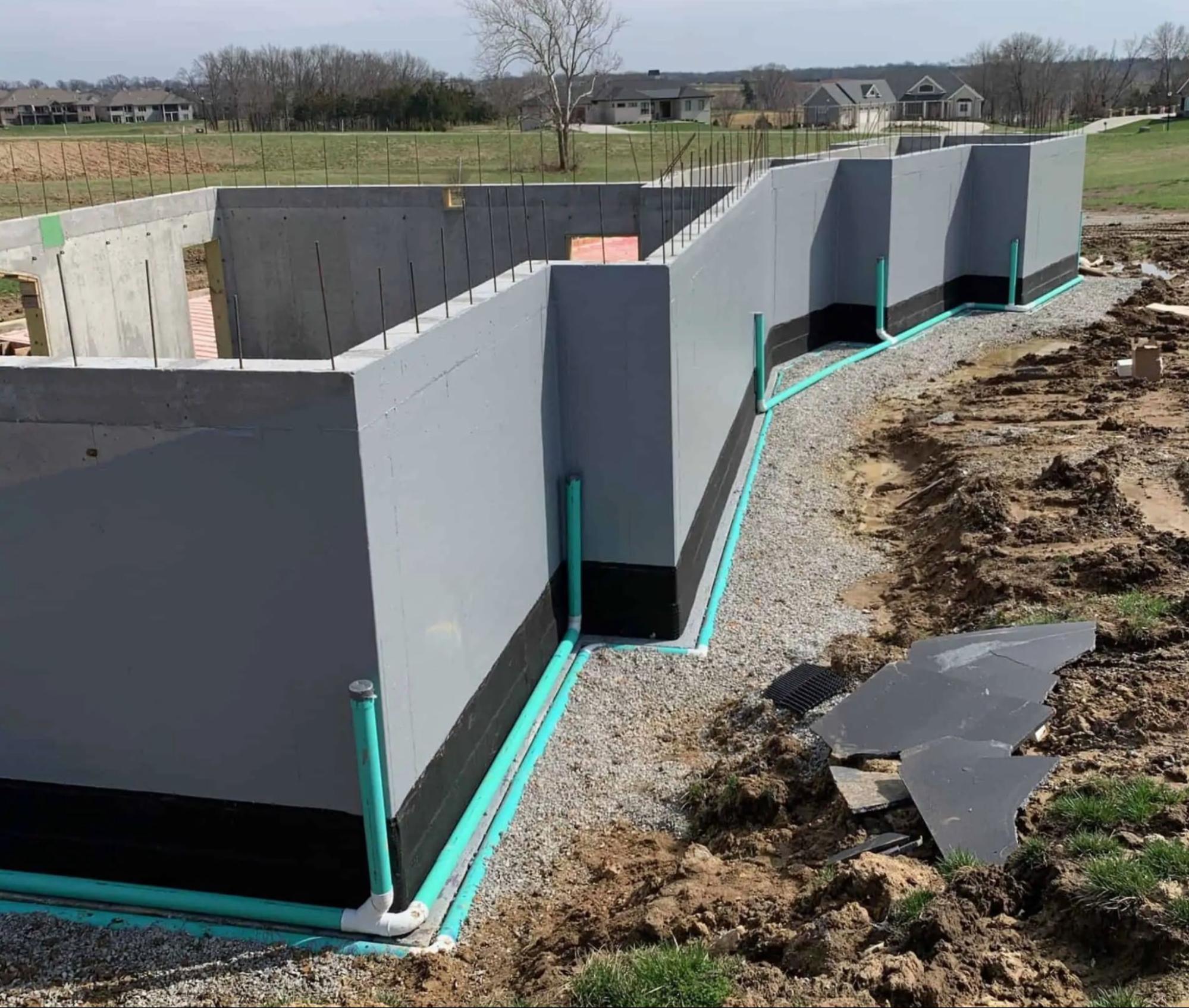
To protect a building from water invasion, different outside waterproofing services can be used, each customized to the details needs of the structure. One usual method is the application of waterproof membranes, which create an obstacle versus dampness. These membrane layers can be either liquid-applied or sheet-based, depending upon the installment requirements. One more reliable method includes making use of water drainage systems, such as French drains, that redirect water far from the structure. Additionally, using outside sealers can aid protect surfaces from water penetration and rust. Landscaping solutions, including grading and proper water drainage, can additionally add especially to preventing water buildup around the structure. Each of these approaches plays a necessary function in boosting the durability and sturdiness of the residential property.
Interior Waterproofing Techniques
Inside waterproofing strategies are vital for safeguarding a home against wetness and water damages. Usual approaches consist of the application of sealers and membranes, which create a barrier on walls and floors to avoid water infiltration. Interior water drainage systems, such as sump pumps and French drains pipes, efficiently reroute water far from at risk locations. Furthermore, vapor barriers can be set up to obstruct wetness from penetrating through walls and floors, particularly in cellars and crawl areas (Water Solutions). Routine upkeep and assessment of these systems are necessary to guarantee their performance. Addressing any kind of plumbing leaks or condensation issues promptly can significantly improve the total waterproofing strategy. Together, these techniques supply homeowners with a comprehensive technique to minimizing the threat of water-related troubles

Indicators Your Home Requirements Waterproofing
House owners need to be conscious of key indicators that their residential property might require waterproofing. Noticeable water damages, mildewy odors, and frequent mold growth are critical indicators that moisture is endangering the stability of the home. Dealing with these problems promptly can avoid more damage and guarantee a healthier living atmosphere.
Noticeable Water Damages
Noticeable water damage works as a clear indication that a home may call for waterproofing measures. Property owners should be cautious for signs such as water spots on wall surfaces or ceilings, peeling paint, and warped floor covering. These visible symptoms commonly indicate underlying moisture problems that, if left unaddressed, can cause more comprehensive damages and pricey repair work. Mold and his response mildew growth can also take place, though it will be reviewed in the following area. Furthermore, house owners ought to inspect cellars and crawl spaces for moisture or efflorescence on concrete surface areas, which shows dampness infiltration. Observing these indicators early can aid avoid further damage of the home's structural honesty. Timely waterproofing measures can protect the financial investment and preserve a healthy living atmosphere.
Musty Odors Present
Moldy smells are often an indicator that wetness is remaining in concealed areas of a home, indicating the requirement for waterproofing options. These undesirable scents frequently arise from moist basements, creep rooms, or behind wall surfaces, where water infiltration might not be immediately noticeable - Landscape drainage Omaha. House owners must pay very close attention to these odors, as they recommend that excess humidity is entraped, possibly bring about more damages. The presence of mildewy smells can jeopardize interior air quality, influencing the wellness and comfort of homeowners. Neglecting this alerting indication can lead to much more extreme concerns, making prompt evaluation and activity vital. By addressing waterproofing demands, house owners can get rid of moldy smells and produce a much healthier living atmosphere
Constant Mold And Mildew Growth
Regular mold growth is a clear indicator that a home may be experiencing wetness problems, requiring waterproofing steps. Mold thrives in damp atmospheres, making it a significant issue for house owners. Indicators of mold and mildew can include dark spots on wall surfaces, ceilings, and around home windows, along with a persistent mildewy smell. If mold and mildew shows up repetitively regardless of cleaning efforts, it recommends underlying dampness problems. This can result from leaks, insufficient drainage, or high moisture levels. Overlooking these indications can result in structural damage and health dangers, especially for people with respiratory concerns. Dealing with waterproofing quickly can aid mitigate mold and mildew growth, making certain a more secure and healthier living environment. House owners must think about expert analyses to figure out the level of the wetness issue.
The Long-Term Advantages of Purchasing Waterproofing
Buying waterproofing provides home owners an extensive feeling of security and assurance, understanding their building is secured against moisture-related damage. This aggressive approach substantially reduces the danger of structural concerns, such as timber rot and foundation splits, which can cause pricey repair services in time. Furthermore, waterproofing helps maintain indoor air quality by decreasing mold growth, which can have negative health and wellness implications for occupants.Furthermore, waterproofing improves the toughness of a home, inevitably protecting its worth. A well-protected home is extra eye-catching to prospective buyers, as they are much less most likely to experience concealed dampness troubles. This financial investment also adds to power effectiveness; properly secured areas avoid drafts and lower cooling and heating costs. In general, the lasting benefits of waterproofing not only assure the architectural stability of a home but likewise promote a healthier living atmosphere and boost the home's marketability.
Selecting the Right Waterproofing Professional for Your Home
Exactly how can a house owner guarantee they select one of the most professional waterproofing specialist for their requirements? The procedure starts with extensive research study and getting several quotes. House owners need to seek experts their explanation with a solid online reputation, validated credentials, and substantial experience in waterproofing. Inspecting on the internet testimonials and asking for references can provide beneficial understanding right into a service provider's dependability and high quality of work.Moreover, it is important to ask about the particular waterproofing techniques each expert uses, as well as the materials used. Property owners need to verify that the chosen contractor is licensed and insured, which safeguards versus possible obligations. A credible expert will additionally provide a thorough contract describing the scope of job, timeline, and guarantee details. By concentrating on these criteria, home owners can make enlightened decisions, ultimately resulting in improved defense against water damage and a reliable waterproofing solution tailored to their home's needs.
Frequently Asked Concerns
Can Waterproofing Be Done in Winter or Cold Weather Condition?
Waterproofing can be testing during winter or cold weather because of reduced temperatures influencing materials' bond and treating procedures. Nonetheless, specialized products developed for cold problems can enable successful waterproofing applications even in winter season.
How Usually Should I Water Resistant My Home?
The frequency of waterproofing a home normally depends upon various variables, including environment and material top quality. Professionals recommend evaluating conditions each year and reapplying every five to 10 years, or faster if considerable wear is evident.
Does Waterproofing Affect Home Resale Worth?
Waterproofing can greatly influence a home's resale worth (Yard drainage Omaha). Prospective buyers usually view waterproofing as a guard against water damages and mold and mildew, increasing the home's charm and bankability, possibly leading to greater offers and quicker sales
Is DIY Waterproofing Effective for All Houses?
The effectiveness of DIY waterproofing differs by home. Aspects such as property age, ecological problems, and existing visit this site right here damages influence outcomes. House owners need to assess their certain conditions before trying do it yourself options to guarantee lasting defense.
Are There Eco-Friendly Waterproofing Options Available?
Eco-friendly waterproofing choices do exist, including natural sealers like beeswax and plant-based products. These options reduce ecological influence while effectively protecting structures from water damage, interesting house owners seeking lasting choices for their waterproofing needs.